
Over 600 clinical studies. Excellent tolerability in research. Science spanning six decades. And a Nobel Prize-winning scientist who took it herself well into her 100s.
If you haven't heard of Palmitoylethanolamide yet, you're about to discover one of the most well-researched yet underappreciated compounds for chronic pain support and inflammation in existence.
Here's the thing about PEA: it's not some exotic herb from a remote rainforest. It's not a newly synthesized molecule from a pharmaceutical lab. It's a fatty acid amide that your own human body produces. Every single day. Right now, as you're reading this, your cells are making PEA. They use it to help regulate pain signals, calm inflammation, and maintain cellular balance at the cellular level.
The problem? As we age, deal with chronic stress, or face ongoing health challenges, our bodies often can't produce enough PEA to keep up with demand. That's where dietary supplements come in—and why researchers have been studying this compound since the 1950s.
In this comprehensive Palmitoylethanolamide PEA supplement guide, we'll cover everything you need to know about PEA supplements: how PEA works, what the research actually shows, proper dosing, and how to choose a quality product that will actually deliver results.
Let's dive in.
What Is Palmitoylethanolamide (PEA)?
Palmitoylethanolamide (PEA) is a chemical made from fat. It's found naturally in foods like egg yolks and peanuts, and in the human body. Technically, it's a naturally occurring fatty acid amide. It belongs to a family of compounds called N-acylethanolamines. Don't let the technical name intimidate you. What matters is what PEA actually does—and why it's so remarkable for pain management.
The Discovery Story
PEA was first isolated in 1957 from soybean lecithin, egg yolk, and peanut oil. But its real story begins decades later with one of the most accomplished neuroscientists in history: Rita Levi-Montalcini.
Dr. Levi-Montalcini won the Nobel Prize in Physiology or Medicine in 1986 for discovering nerve growth factor. But her extensive research into PEA during the 1990s is less known. She recognized that this simple fatty acid had profound effects on immune cells—particularly mast cells. It could modulate inflammation and pain without the side effects of conventional drugs.
Here's what makes this even more compelling: Dr. Levi-Montalcini reportedly took PEA herself and remained mentally sharp and active until her death at 103 years old. While we can't attribute her longevity solely to PEA, her personal confidence in the compound speaks volumes about the science she helped establish.
Where PEA Is Found Naturally
PEA is produced naturally in the body. It's found in high concentrations in the central nervous system. Your cells synthesize it on demand within cell membranes. This happens whenever tissue damage, inflammation, or cellular stress occurs. Think of it as part of your body's built-in damage control system. It's a self-repair molecule that modulates inflammation and pain in response to injury or stress.PEA is also found in various foods:
-
Egg yolks – One of the richest dietary sources (chicken egg yolk contains significant amounts)
-
Peanuts – Where it was first discovered
-
Soybeans – Particularly in lecithin
-
Meat and organ meats
-
Milk and dairy products
However—and this is important—the amounts found in food are small. You'd need to consume impractical quantities to achieve the levels used in clinical studies. That's why targeted supplementation makes sense for those seeking therapeutic benefits.
Why Your Body Might Need More PEA
Under normal circumstances, your body maintains adequate PEA levels through on-demand synthesis. When tissues experience stress, damage, or inflammation, cells ramp up PEA production. This is part of the body's self-protective response. But several factors can deplete your natural production. Others increase demand beyond what your body can supply:
-
Chronic pain conditions – The body uses more PEA to modulate persistent pain signals. People with chronic pain often have depleted PEA levels.
-
Ongoing inflammation – Inflammatory states consume PEA faster than it can be produced. This creates a deficit.
-
Aging – Natural production tends to decline with age.
-
Chronic stress – Depletes the body's regulatory compounds, including PEA.
-
Nerve damage or neuropathy – Creates higher demand for neuroprotective compounds.
-
Metabolic dysfunction – Can impair PEA synthesis. Particularly relevant for diabetic patients.
-
Chronic infections or immune challenges – Ongoing immune activity depletes regulatory compounds.
Research suggests that people with chronic pain conditions, fibromyalgia, and certain inflammatory conditions often have lower tissue levels of PEA. Supplementation may help restore what the body can no longer provide on its own.

How PEA Works: The Science Made Simple
Understanding how Palmitoylethanolamide PEA works helps explain why it's effective for so many conditions. Unlike single-target drugs, PEA operates through multiple mechanisms at once. This multi-target approach is one of its greatest strengths for pain modulation.
The PPAR-α Connection
PEA's primary mechanism involves activating a nuclear receptor called PPAR-α (peroxisome proliferator-activated receptor alpha). PEA acts on the endocannabinoid system and activates this receptor. This modulates pain signaling. Here's why this matters:
PPAR-α is like a master switch inside your cells that controls inflammation. When PEA activates this receptor, it triggers a cascade of anti-inflammatory effects at the cellular level:
-
Reduces production of pro-inflammatory cytokines (the chemical messengers that drive inflammation)
-
Inhibits NF-κB—a protein complex that, when overactive, promotes chronic inflammation
-
Decreases the release of inflammatory mediators like TNF-α and interleukin-1β
-
Modulates gene expression related to pain and inflammation
The result? A broad, systemic reduction in inflammatory signaling. No side effects like NSAIDs or corticosteroids. PEA is completely non-toxic. It doesn't produce psychoactive effects like THC or other cannabinoids.
The Endocannabinoid System Connection
Here's where things get interesting—and where some confusion arises about how PEA works.
PEA is often described as "endocannabinoid-like" because it interacts with the same general system that cannabis compounds affect. Research suggests that PEA binds to both CB1 and CB2 cannabinoid receptors. Its binding affinity is higher for CB2 than for CB1. The CB2 receptor binding is thought to drive its pain management effects.
PEA also works through what scientists call the "entourage effect." It enhances your body's own endocannabinoids. Particularly anandamide (often called the "bliss molecule"). Here's how:
-
Blocking the enzyme FAAH, which breaks down anandamide. This improves endocannabinoid signaling.
-
Activating receptors like GPR55 and GPR119 that work alongside the endocannabinoid system
-
Functioning as an agonist at TRPV1 and TRPA1 ion channels in the peripheral nervous system
-
Modulating pain signals before they reach the brain
The practical implication? PEA provides many of the anti-inflammatory and pain-relieving benefits associated with cannabis compounds. But without any psychoactive effects. Without affecting drug tests. Without legal concerns. PEA is non-addictive and completely legal worldwide. Unlike other cannabinoids, it's classified as a dietary supplement in most jurisdictions.
Mast Cell Modulation: The Inflammation Control Center
Perhaps PEA's most distinctive mechanism involves its effects on mast cells. These immune cells are found throughout your body—in skin, lungs, gut, and virtually every tissue. They act as first responders to injury and infection. When activated, they release histamine, inflammatory cytokines, and other compounds that trigger inflammation.
In many chronic conditions—from allergies to fibromyalgia to certain pain syndromes—mast cells become overactive. They release inflammatory mediators even when there's no real threat. This creates a cycle of unnecessary inflammation. It perpetuates pain and tissue damage.
PEA has been shown to play a crucial role in:
-
Stabilizing mast cells, preventing inappropriate degranulation (release of inflammatory contents)
-
Reducing histamine release—relevant for allergic and inflammatory conditions
-
Decreasing production of pro-inflammatory prostaglandins
-
Calming the overall inflammatory response at its source
-
Protecting surrounding tissues from inflammatory damage
This mast cell stabilization is one reason PEA shows promise for conditions involving immune dysregulation and chronic inflammation—areas where conventional treatments often fall short.
Glial Cell Regulation: Protecting the Nervous System
In addition to immune cells, PEA also modulates glial cells. These are the support cells of your nervous system. They play a crucial role in pain processing. In chronic pain conditions, glial cells (particularly microglia in the brain and spinal cord) can become overactivated. They perpetuate pain signals even after the original injury has healed.
PEA modulates the inflammatory pathways involved in somatic and neuropathic pain, influencing it significantly at the cellular level. By calming overactive glial cells, PEA helps:
-
Reduce neuroinflammation in the central nervous system
-
Decrease central sensitization (the amplification of pain signals in the nervous system)
-
Support normal pain processing and pain modulation
-
Protect neurons from inflammatory damage with its neuroprotective effects
-
Support nerve regeneration and repair
PEA also affects epithelial cells and plays a crucial role in modulating the peripheral nervous system, which is why it's effective for peripheral neuropathic pain conditions like diabetic neuropathy and nerve injury-related pain.
PEA Acts as a Self-Repair Molecule
Perhaps the most elegant aspect of PEA is how it functions as a self-repair molecule. Rather than simply blocking pain signals or suppressing inflammation artificially, PEA modulates these processes in response to injury or stress. It helps restore the body's natural balance.
This is why PEA is sometimes called "pro-homeostatic." It helps the body return to normal function. It doesn't simply mask symptoms. This may explain why some patients maintain benefits even after stopping PEA supplementation.
Palmitoylethanolamide Benefits: What 600+ Studies Show
Let's get into the research. Over 600 published studies on PEA exist. This includes multiple systematic reviews and meta-analysis publications. We have a substantial evidence base to draw from. Several studies have confirmed PEA's therapeutic efficacy. Here's what the science shows.

Pain Relief and Chronic Pain Management
Pain relief is where PEA has the strongest and most consistent clinical evidence. Clinical trials suggest PEA may support comfort with excellent tolerability. A 2025 meta-analysis published in Nutrition Reviews analyzed randomized controlled trials and found that PEA significantly reduced pain scores across multiple conditions and timeframes:
-
At 6 weeks: Significant pain reduction (SMD -0.9)
-
At 8 weeks: Continued improvement (SMD -0.98)
-
At 24-26 weeks: Sustained benefits with long-term use (SMD -1.16)
The researchers concluded that PEA effectively reduces pain scores and enhances quality of life, with significant benefits observed within 4-6 weeks of treatment. This makes PEA a promising option for those seeking natural support for chronic pain management.
A separate systematic review concluded that PEA is an effective adjuvant therapy for chronic non-cancer related pains. The analgesic properties of PEA have been validated across multiple clinical studies, demonstrating its therapeutic efficacy for various pain conditions.
What's particularly notable is that PEA appears effective across all three types of pain:
-
Nociceptive pain (from tissue damage) – SMD -0.74
-
Neuropathic pain (from nerve damage) – SMD -0.97
-
Nociplastic pain (from sensitized nervous system, like fibromyalgia) – SMD -0.59
Specific Conditions Studied
Sciatic Pain and Low Back Pain: Multiple studies have shown PEA reduces sciatic nerve pain and chronic low back pain. In one study involving patients with lumbar radiculopathy, those taking PEA at 600mg twice daily showed significantly greater improvement than the control group. The researchers noted not just pain reduction but improved functional capacity. Patients could perform daily activities with less limitation.
A 2025 clinical trial examining PEA combined with Equisetum arvense in patients with chronic low back pain and radiculopathy found statistically significant improvements in pain scores over 8 weeks of treatment. Patients also reported high satisfaction with the treatment.
Research suggests PEA may support comfort in those with nerve-related discomfort and has also been studied for perioperative pain and inflammation support.
Neuropathic Pain: PEA has garnered attention for pain management. It shows therapeutic benefits for neuropathic and somatic pain conditions. A systematic review found consistent benefits for diabetic neuropathy, chemotherapy-induced neuropathy, and post-surgical nerve pain.
For diabetic patients, PEA offers neuropathic pain relief without side effects of conventional medications. This matters because peripheral neuropathic pain is so common in this population.
PEA has also reduced neuropathic pain when used with standard pain medication in cancer patients. This synergistic effect helps those with complex pain conditions.
Carpal Tunnel Syndrome: Research showed ultramicronized PEA improved both pain and sleep quality in patients awaiting surgery. Carpal tunnel pain often worsens at night. It disrupts sleep and affects quality of life. PEA addresses both the pain and its secondary effects.
Inflammatory Joint Pain and Musculoskeletal Pain: Research suggests PEA may help reduce inflammation and support comfort in those with inflammatory joint conditions. Several studies suggest PEA may support joint function and comfort for those with osteoarthritis and musculoskeletal pain.
Joint pain from osteoarthritis involves both inflammatory and neuropathic components. PEA addresses both. This makes it well-suited for these chronic pain conditions.
Pelvic Pain: Studies in women with chronic pelvic discomfort have shown meaningful improvements. Pelvic pain often involves significant inflammatory processes. It may respond poorly to conventional approaches. PEA's anti-inflammatory action makes it relevant for these patients.
Dental and TMJ Pain: Early research suggests PEA may benefit orofacial pain conditions. It modulates both peripheral and central pain processing. This makes it well-suited for TMJ disorders.
Fibromyalgia Support
Fibromyalgia presents a particular challenge. It involves central sensitization. The nervous system amplifies pain signals inappropriately. Traditional painkillers often provide minimal relief. They don't address this dysregulation. PEA modulates glial cells and reduces inflammation in the central nervous system. This makes it well-suited for fibromyalgia.
A 2024 pilot study examined a combination of PEA (1200mg) for fibromyalgia patients and found:
-
Significant reduction in pain scores (VAS pain scale)
-
Improved sleep quality (Insomnia Severity Index)
-
Better quality of life measures (Health Assessment Questionnaire)
-
Reduced tender point count
-
Benefits maintained even one month after stopping treatment
-
No adverse events reported
The persistence of benefits after stopping treatment is noteworthy. It suggests PEA may help reset dysfunctional pain processing. It doesn't simply mask symptoms.
Earlier research combining PEA with standard fibromyalgia medications (duloxetine and pregabalin) showed enhanced benefits. PEA works synergistically with conventional treatments. Patients receiving PEA showed greater reductions in tender points and pain intensity compared to those on medications alone.
For those with fibromyalgia who have found limited relief from conventional approaches, or who experience significant side effects from medications, PEA represents a well-tolerated option worth exploring with their pain specialist or pain physician.
Anti-Inflammatory Effects
Beyond pain, PEA demonstrates broad anti-inflammatory activity with significant therapeutic efficacy. It modulates mast cells, glial cells, and inflammatory pathways. This helps reduce inflammation—the type increasingly linked to numerous health conditions.
Clinical studies have shown PEA reduces inflammatory markers including:
-
TNF-α (tumor necrosis factor alpha)
-
Interleukin-1β and IL-6
-
Prostaglandin E2
-
Histamine release
This makes PEA potentially valuable as a natural anti-inflammatory. It doesn't carry the gastrointestinal, cardiovascular, or kidney risks of long-term NSAID use. PEA may enhance the efficacy of standard painkillers (NSAIDs or opioids) when taken together. This could allow for lower doses of conventional medications.
Immune System Support
Some of the earliest PEA research focused on immune function. In the 1970s, researchers in Czechoslovakia conducted six clinical trials involving approximately 4,000 participants, studying PEA (sold as "Impulsin") for immune support during seasonal challenges.
The results suggested PEA supplementation supported the body's natural immune response. Patients taking PEA experienced:
-
Support for the body's natural defenses
-
Improved comfort during seasonal challenges
-
Better overall wellbeing
Modern understanding suggests this works through modulating the immune response, supporting healthy inflammatory balance in respiratory tissues, and stabilizing mast cells in respiratory tissue.
Neuroprotection and Brain Health
PEA is found in high concentrations in the central nervous system and demonstrates significant neuroprotective effects. Its ability to cross the blood-brain barrier and modulate neuroinflammation has sparked significant research.
Cognitive Support: By reducing brain inflammation (neuroinflammation) and protecting neurons from inflammatory damage, PEA may help maintain cognitive function. This is particularly relevant as we age, when chronic low-grade neuroinflammation becomes more common.
Head Comfort: Studies suggest PEA may support comfort for those experiencing occasional head tension and discomfort. These conditions often involve neuroinflammatory processes and central sensitization—mechanisms that PEA directly modulates.
Researchers continue to explore PEA's neuroprotective effects for various applications. While more research is needed, the mechanisms suggest potential for supporting neurological wellness as we age.
Sleep Quality and Quality of Life
Pain and inflammation often disrupt sleep. This creates a vicious cycle. Poor sleep increases pain sensitivity. That further disrupts sleep. By addressing these underlying issues, PEA frequently improves quality of life as a secondary benefit.
Studies have specifically documented improved sleep duration, reduced sleep latency (time to fall asleep), fewer nighttime disturbances, and better overall sleep quality scores.
Gut Health and Digestive Comfort
The digestive tract contains abundant mast cells and has its own nervous system (the enteric nervous system), making it responsive to PEA's modulatory effects. Preliminary research suggests potential benefits for digestive comfort and gut wellness.
While research in this area is still developing, the mechanisms suggest PEA may support comfort for those with occasional digestive discomfort.
Micronized vs. Ultra-Micronized vs. Regular PEA: Why Formulation Matters
Here's something critical that many people miss when choosing a PEA supplement: not all formulations are created equal.
PEA is a highly lipophilic molecule with low solubility. This makes absorption difficult. Standard PEA has notoriously poor bioavailability due to its short half-life. Therapeutic effectiveness is reduced due to poor plasma concentrations. This means larger doses are needed for desired effects.

The Particle Size Solution
Recent techniques like micronisation and ultra-micronisation have improved the bioavailability and stability of PEA. Micronised pharmaceutical-grade formulations of PEA have been used in humans and veterinary applications for inflammatory response support.
Standard/Regular PEA:
-
Large particle size (100+ microns)
-
Poor water dispersibility
-
Limited absorption
-
May require higher doses for effect
Micronized PEA:
-
Particle size reduced to approximately 10-20 microns
-
Improved dispersibility
-
Better absorption than standard PEA
-
More consistent clinical results
Ultra-Micronized PEA (um-PEA):
-
Particle size reduced to 2-10 microns
-
Ultra-micronised PEA dramatically increases bioavailability compared to non-micronised PEA
-
Better tissue penetration
-
Used in many clinical trials
-
Enhanced therapeutic results
The absorption of orally administered PEA is likely limited by its dissolution rate, which is inversely related to particle size. Micronized or ultra-micronized (umPEA) formulations are preferred for better absorption and efficacy.
First data on new formulations published in Br J Pharmacol by researchers including Beyer C, Zuloff-Shani A, Brener E, and colleagues (Beyer C Zuloff-Shani A Brener E) has confirmed the superior absorption of advanced PEA formulations.
PEA Dosage Guide: How Much Should You Take?
Dosing is one of the most common questions about PEA supplementation. Based on clinical research and practical experience, here are evidence-based guidelines.

General Dosing Recommendations
PEA is most often used by adults in doses of 300-1200 mg by mouth daily for 2-12 weeks. The recommended range is 300 mg to 1200 mg. Higher doses may lead to decreased effectiveness. PEA's effectiveness may decline with doses greater than 1200 mg.
For General Wellness/Maintenance:
-
300-600 mg per day
-
Can be taken as a single dose or divided
-
A lower dose is suitable for ongoing support
For Ongoing Discomfort or Active Support:
-
600-1200 mg per day
-
Often divided into 2-3 doses
-
May start higher and reduce once improvement is achieved
In children, PEA is most often used in doses of 600 mg by mouth daily for up to 3 months.
How Long Until You See Results?
It can take individual patients up to 4-6 weeks to experience benefits from PEA supplementation. Most patients report noticing improvements within 2 to 8 weeks of consistent use of PEA.
-
Initial effects: Some people notice improvements within 2-3 weeks
-
Significant benefits: Typically seen at 4-6 weeks
-
Maximum effects: Often achieved at 8-12 weeks
Condition-Specific Dosing
Chronic and Neuropathic Pain: 600-1200 mg daily, often divided into two doses. Clinical trials typically run 4-8 weeks minimum.
Fibromyalgia: 1200 mg daily appears most studied, often in combination with conventional medications.
Diabetic Patients with Neuropathy: 600 mg daily, with potential to increase based on response. Consult a pain specialist or pain physician for personalized guidance.
How to Take PEA for Best Results
Combining PEA with Other Supplements
PEA can be safely combined with other dietary supplements and often works synergistically with Omega-3 fatty acids, Vitamin D3, B vitamins, R-Alpha Lipoic Acid, Curcumin, and Melatonin.
PEA and Conventional Medications
PEA can be safely combined with other treatments, including CBD, NSAIDs, and prescription pain relievers. Several studies have shown it can be safely combined with:
-
NSAIDs (though it may allow dose reduction)
-
Acetaminophen (paracetamol) – may enhance effects synergistically
-
Gabapentin and pregabalin
-
Antidepressants used for pain (like duloxetine)
-
Opioid medications (may help reduce required doses)
PEA may enhance the efficacy of standard painkillers when taken together.
PEA Side Effects and Safety Profile
One of the most remarkable aspects of PEA is its exceptional safety profile. PEA is possibly safe when used for up to 3 months and is usually well tolerated but might cause nausea in some people.
What the Research Shows
Across hundreds of studies involving thousands of participants:
-
No serious adverse effects have been attributed to PEA
-
No significant drug interactions have been identified
-
No tolerance or dependence develops—PEA is non-addictive
-
No withdrawal effects occur when stopping
-
PEA is non-toxic and does not produce psychoactive effects like THC
In some cases, mild side effects of PEA may include nausea, stomach discomfort, and headaches. These effects are uncommon and typically resolve without intervention. Taking PEA with food often helps minimize any digestive discomfort.
Who Should Exercise Caution
While PEA is generally very safe for humans, certain groups should consult their healthcare provider before use:
-
Pregnant or breastfeeding women – Limited safety data in this population
-
Those on multiple medications – Though no interactions are known, professional guidance is wise
-
People with lipid metabolism disorders – Since PEA is a fatty acid amide
-
Those scheduled for surgery – Discuss with your surgeon, as with any supplement
Long-Term Safety
PEA is generally safe for long-term use. Most clinical data supports safety for periods up to three months. More research is ongoing for longer-term use. PEA is an endogenous compound—naturally produced by the human body. It has been used in Europe for decades. The safety profile appears excellent.
PEA is produced naturally in your body. It's found in common foods like egg yolks and peanuts. This provides additional confidence in its safety profile. Unlike many pain medications, PEA has no known potential for abuse, tolerance, or dependence.
PEA vs. Other Pain and Inflammation Supplements
PEA vs. CBD
Many people ask about the difference between PEA and CBD since both interact with the endocannabinoid system. While there are similarities, the compounds are quite different:
|
Factor |
PEA |
CBD |
|---|---|---|
|
Legal Status |
Legal everywhere worldwide |
Varies by jurisdiction |
|
Drug Testing |
Will not affect |
May cause false positives |
|
Mechanism |
PPAR-α, mast cells, endocannabinoid system |
Multiple, including cannabinoid receptors |
|
Clinical Research |
600+ studies, multiple meta-analysis |
Growing but less extensive for pain |
|
Psychoactive |
No—unlike other cannabinoids |
No (but trace THC possible) |
|
Body's Own Production |
Yes, endogenous |
No, plant-derived |
|
Source |
Found in egg yolks, peanuts, soybeans |
Cannabis/hemp plant |
Many people find PEA and CBD can be used in combination. They work through complementary mechanisms. Since they don't interact negatively and target different aspects of pain and inflammation, this combination approach makes sense for those seeking comprehensive support.
PEA vs. Curcumin
Curcumin (from turmeric) is another popular natural anti-inflammatory. While both have anti-inflammatory effects, they work through different mechanisms:
-
PEA primarily modulates mast cells, glial cells, and the endocannabinoid system
-
Curcumin primarily inhibits inflammatory enzymes (COX-2, LOX) and NF-κB
Because they work through complementary pathways, PEA and curcumin can be used together. This provides enhanced anti-inflammatory support. Both face bioavailability challenges. PEA requires micronization. Curcumin requires specialized formulations like BCM-95 or liposomal delivery.
PEA vs. Fish Oil/Omega-3s
Omega-3 fatty acids (EPA and DHA from fish oil) provide anti-inflammatory support through yet another mechanism. They're incorporated into cell membranes. They reduce production of pro-inflammatory eicosanoids.
Since PEA and omega-3s work through different pathways, they're often complementary. PEA itself is a fatty acid amide. Some researchers have noted it may work synergistically with dietary omega-3s for inflammation control.
How to Choose a Quality PEA Supplement
Not all PEA supplements are created equal. Given the importance of formulation for bioavailability, choosing wisely matters significantly for results.
5 Quality Markers to Look For
-
Micronized or Ultra-Micronized Formulation – Essential for proper absorption. Products that don't specify particle size likely use standard (less absorbable) PEA.
-
Appropriate Dose Per Serving – Look for 300-600 mg per capsule. This allows flexible dosing without taking too many capsules.
-
Third-Party Testing – Reputable manufacturers test for purity, potency, and contaminants. Look for certificates of analysis (COAs).
-
Clean Label – Minimal fillers, artificial colors, or additives. Quality PEA products don't need extensive inactive ingredients.
-
Transparent Sourcing – Quality manufacturers explain their micronization process and quality control measures.
Red Flags to Avoid
-
No mention of micronization – Likely standard (poorly absorbed) PEA
-
Extremely low prices – Quality micronized PEA costs more to produce
-
Excessive proprietary blends – Should show exact PEA content
-
Outrageous claims – Beware of products promising miracle cures
-
No third-party testing – Reputable brands verify their products
Why We Formulated Our PEA the Way We Did
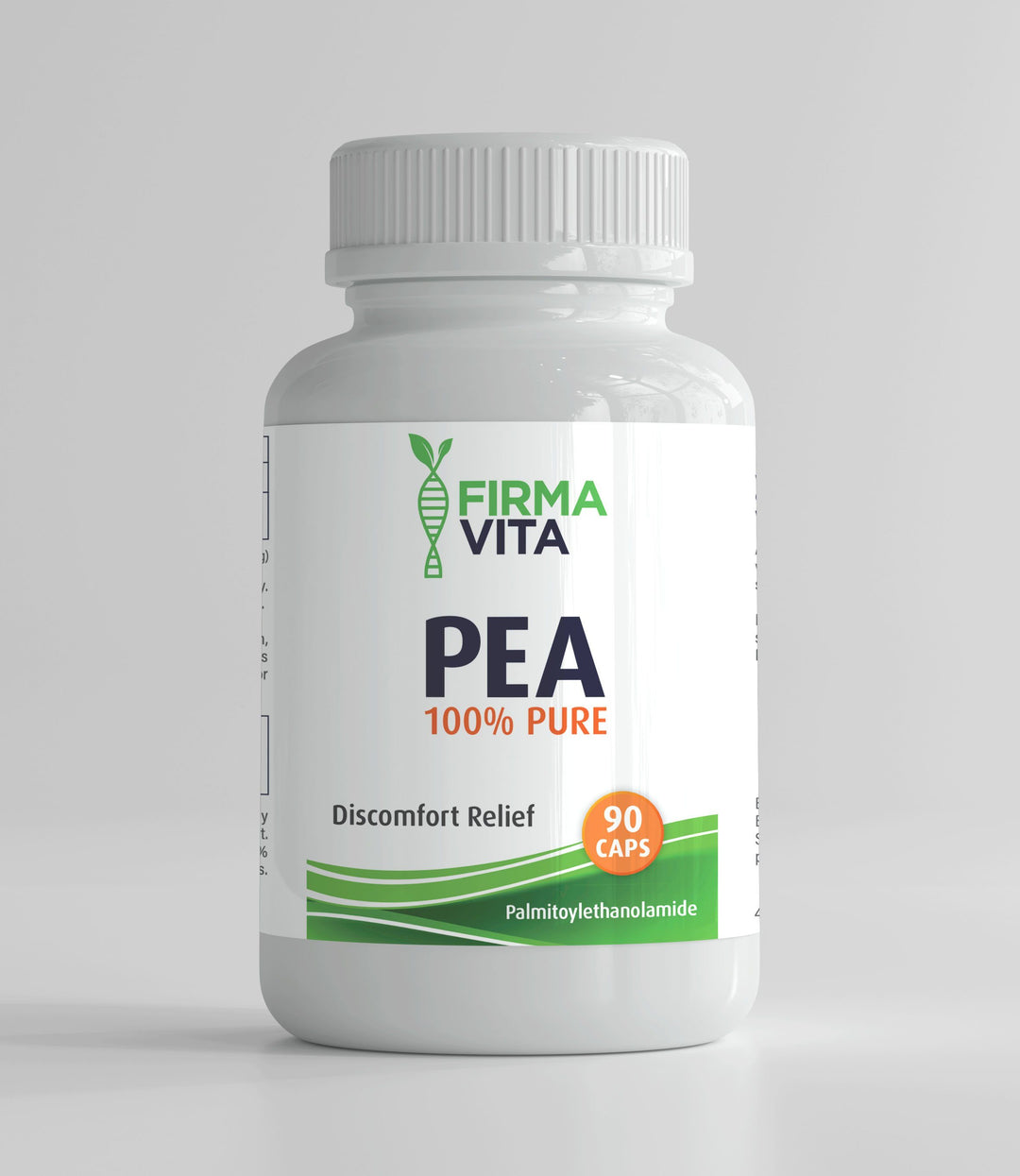
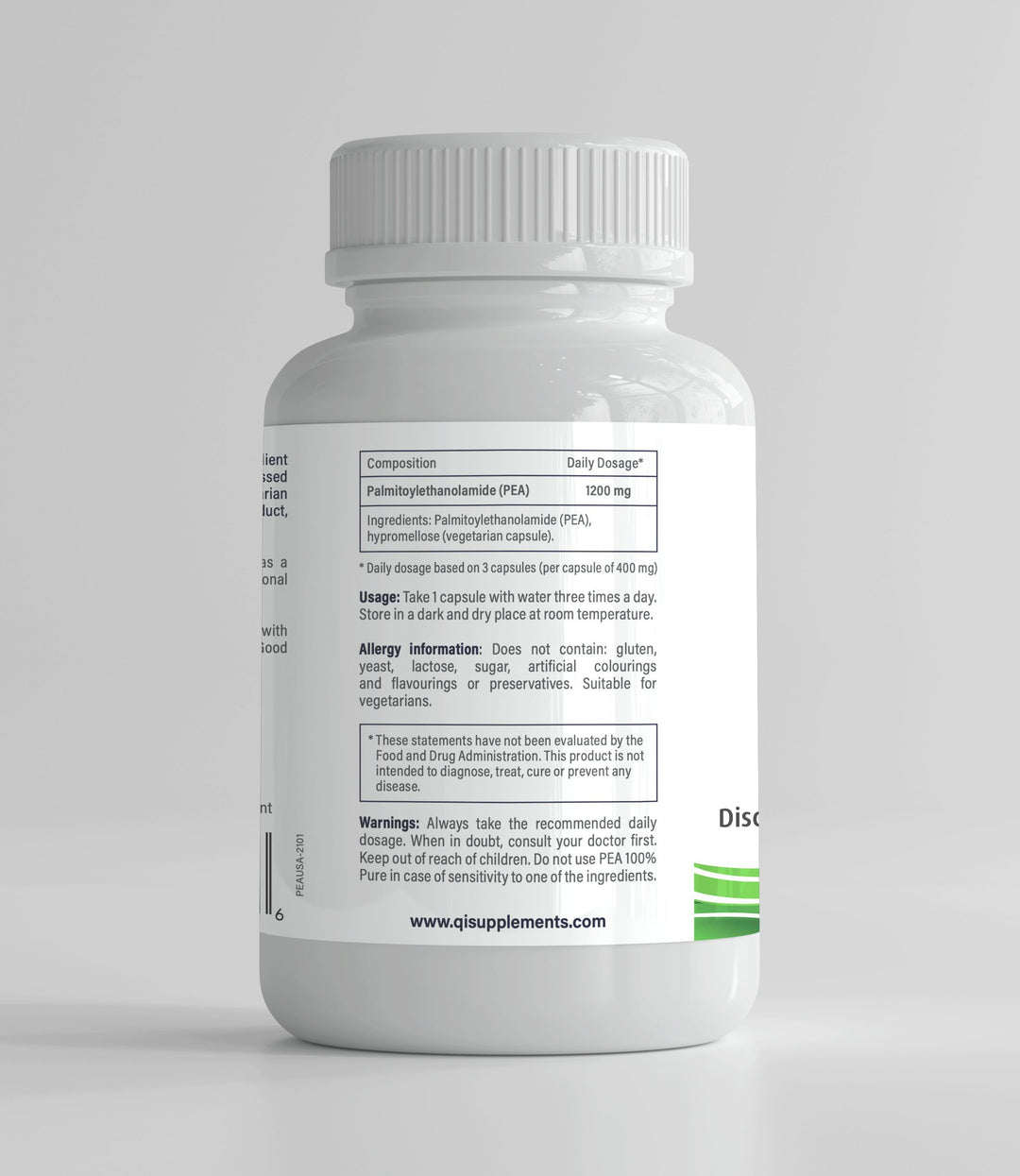
At QI Supplements, our Palmitoylethanolamide (PEA) for Pain provides 400mg of micronized PEA per capsule. That's 90 capsules per bottle for flexible dosing. We believe in evidence-based formulation. We give you what research suggests works, in a form your body can actually use.
Our micronized formulation ensures optimal absorption. The 400mg serving size allows you to customize your dose. Take 400mg for general support. Or 800-1200mg for more intensive pain management.
Who Should Consider PEA Supplementation?
Based on the research and clinical studies, PEA may be particularly valuable for:
-
Those experiencing chronic discomfort – Whether neuropathic pain, inflammatory pain, or other ongoing discomfort, clinical trials show consistent benefits
-
People with chronic and neuropathic pain who want to explore natural options or experience side effects from current medications
-
Diabetic patients experiencing nerve-related discomfort – PEA's neuroprotective effects make it well-suited for this population
-
Those with joint discomfort or musculoskeletal pain – Including osteoarthritis and chronic back pain
-
People with peripheral neuropathic pain from various causes including injury or surgery
-
Those with fibromyalgia seeking additional support alongside conventional treatment
-
Those seeking anti-inflammatory support without the gastrointestinal risks of NSAIDs
-
Anyone interested in the neuroprotective effects for brain health and cognitive support
-
People looking for natural immune support – Particularly during seasonal challenges
PEA is not a replacement for medical care. If you have a serious pain condition, work with a pain specialist or pain physician to develop a comprehensive treatment plan. PEA can be a valuable addition to that plan, but it's not a substitute for proper medical evaluation and treatment.
That said, for many people dealing with chronic conditions where conventional approaches have fallen short—or where side effects limit medication use—PEA offers a well-researched, well-tolerated option worth exploring.
The Bottom Line on Palmitoylethanolamide
After reviewing the research on this Palmitoylethanolamide PEA supplement guide, here's what we can confidently say about PEA:
The evidence is strong. Over 600 clinical studies exist. Multiple meta-analysis publications in journals like Int J Mol Sci and Br J Pharmacol. Decades of clinical use in humans. PEA isn't speculative—it's one of the most well-researched natural compounds for chronic and neuropathic pain. Research suggests meaningful benefits across a range of chronic pain conditions.
The safety profile is exceptional. PEA is non-toxic, non-addictive, and well-tolerated. Several studies confirm it can be used alongside conventional medications without interactions. For patients dealing with long-term pain, this is a significant advantage.
The mechanism makes sense. PEA works at the cellular level with your body's own regulatory systems. It targets mast cells, glial cells, immune cells, and the endocannabinoid system. Rather than simply blocking pain or suppressing inflammation, it helps restore natural balance. This may explain why benefits sometimes persist after stopping treatment.
Formulation matters. Choose micronized or ultra-micronized products for reliable therapeutic efficacy. Due to PEA's short half-life and absorption challenges, formulation makes a real difference in results.
Patience is required. Unlike fast-acting pain medications, PEA works by modulating underlying inflammatory processes. Give it 4-8 weeks before assessing effectiveness.
For anyone dealing with chronic pain, inflammation, or nerve pain, PEA deserves serious consideration. This is especially true for those who haven't found adequate relief from conventional approaches. Or who experience side effects from medications. More research continues to validate what several studies have already shown about its therapeutic benefits for pain management.
Frequently Asked Questions About PEA
Is PEA the same as CBD?
No. While both interact with the endocannabinoid system, they're completely different compounds. PEA is an endogenous fatty acid amide your body produces; CBD is a plant cannabinoid. Unlike other cannabinoids, PEA doesn't produce psychoactive effects and won't affect drug tests.
How long does PEA take to work?
Most patients report noticing improvements within 2 to 8 weeks of consistent use. It can take individual patients up to 4-6 weeks to experience benefits from PEA supplementation.
Can I take PEA with other medications?
PEA can be safely combined with other treatments, including CBD, NSAIDs, and prescription pain relievers. However, always consult your healthcare provider or pain physician.
Is PEA legal?
Yes. PEA is legal worldwide as a dietary supplement. It's not a controlled substance.
Will PEA show up on a drug test?
No. PEA is non-addictive and does not produce psychoactive effects like THC. It will not affect drug tests.
What's the best form of PEA?
Micronized or ultra-micronized (umPEA) formulations are preferred for better absorption and efficacy.
Can PEA help with fibromyalgia?
Yes. Several studies have shown PEA can reduce pain, improve sleep, and enhance quality of life in fibromyalgia patients.
Is PEA safe for long-term use?
PEA is generally safe for long-term use, with most clinical data supporting safety for periods up to three months. More research is ongoing.
What's the recommended dosage?
PEA is most often used by adults in doses of 300-1200 mg by mouth daily for 2-12 weeks. The optimal range is typically 300-600 mg for maintenance, 600-1200 mg for chronic pain.
Does PEA have side effects?
PEA is usually well tolerated but might cause nausea in some people. In some cases, mild side effects may include stomach discomfort and headaches.
Can children take PEA?
In children, PEA is most often used in doses of 600 mg by mouth daily for up to 3 months. Consult a healthcare provider.
How does PEA work in the body?
PEA acts on the endocannabinoid system and activates the PPAR-α receptor for pain modulation. It stabilizes mast cells, modulates glial cells, and works at the central nervous system level by blocking the enzyme fatty acid amide hydrolase (FAAH).
References
-
Viña I, López-Moreno M. Meta-Analysis of Palmitoylethanolamide in Pain Management. Nutrition Reviews. 2025;83(7):e1604-e1618.
-
Schweiger V, et al. Extended Treatment with Micron-Size Oral Palmitoylethanolamide (PEA) in Chronic Pain. Nutrients. 2024;16(11):1653.
-
Lang-Illievich K, et al. Palmitoylethanolamide in the Treatment of Chronic Pain: A Systematic Review and Meta-Analysis. Nutrients. 2023;15(6):1350.
-
Bortoletto R, et al. Palmitoylethanolamide supplementation for human health. Brain Behav Immun Health. 2024;43:100927.
-
Artukoglu BB, Beyer C, Zuloff-Shani A, Brener E, Bloch MH. Efficacy of Palmitoylethanolamide for Pain: A Meta-Analysis. Pain Physician. 2017;20(5):353-362.
-
Petrosino S, Di Marzo V. The pharmacology of palmitoylethanolamide and first data on new formulations. Br J Pharmacol. 2017;174(11):1349-1365.
-
Skaper SD, et al. Palmitoylethanolamide in neuropathic pain. Inflammopharmacology. 2014;22(2):79-94.
-
Clayton P, et al. Palmitoylethanolamide for Health Management. Int J Mol Sci. 2021;22(10):5305.
-
Gabrielsson L, et al. Palmitoylethanolamide for pain treatment. Br J Clin Pharmacol. 2016;82(4):932-942.
-
Hesselink JM, Hekker TA. Therapeutic utility of palmitoylethanolamide in neuropathic pain. J Pain Res. 2012;5:437-442.
*These statements have not been evaluated by the Food and Drug Administration. This product is not intended to diagnose, treat, cure, or prevent any disease. Always consult with a qualified healthcare professional, pain specialist, or pain physician before starting any supplement regimen, especially if you have a medical condition or are taking medications.
